
Resolve Repeated Backups for Good
Sewer Line Replacement in Modesto for homes with recurring drain failures, standing sewage, or collapsed pipe sections
CAL Plumbing LLC replaces damaged and collapsed sewer lines for residential properties in Modesto, Stockton, Manteca and surrounding areas. You know something is seriously wrong when backups happen every few months despite repeated drain cleaning, sewage odors persist around your yard, or multiple fixtures drain slowly at the same time. These symptoms point to structural failure deep in the line, often caused by root intrusion, pipe corrosion, ground shifting, or decades of wear that cleaning and spot repairs cannot fix.
A sewer line carries all wastewater from your home to the municipal main or septic tank, typically running several feet underground along a path determined when the house was built. When tree roots penetrate joints searching for moisture, cast iron pipes rust through, or clay sections crack and collapse under soil pressure, the line loses its ability to move waste efficiently. You might see sewage backing up into basement drains, wet spots or sinkholes forming in the yard above the line, or toilets that gurgle and drain sluggishly no matter how many times you clear them. Each of these conditions indicates the pipe interior has deteriorated past the point where partial repairs will restore long-term function.
If your sewer system shows signs of structural failure or you face recurring backups that cleaning does not resolve, reach out to schedule an inspection and discuss full replacement options in Modesto or a neighboring community.
Methods That Minimize Property Disruption
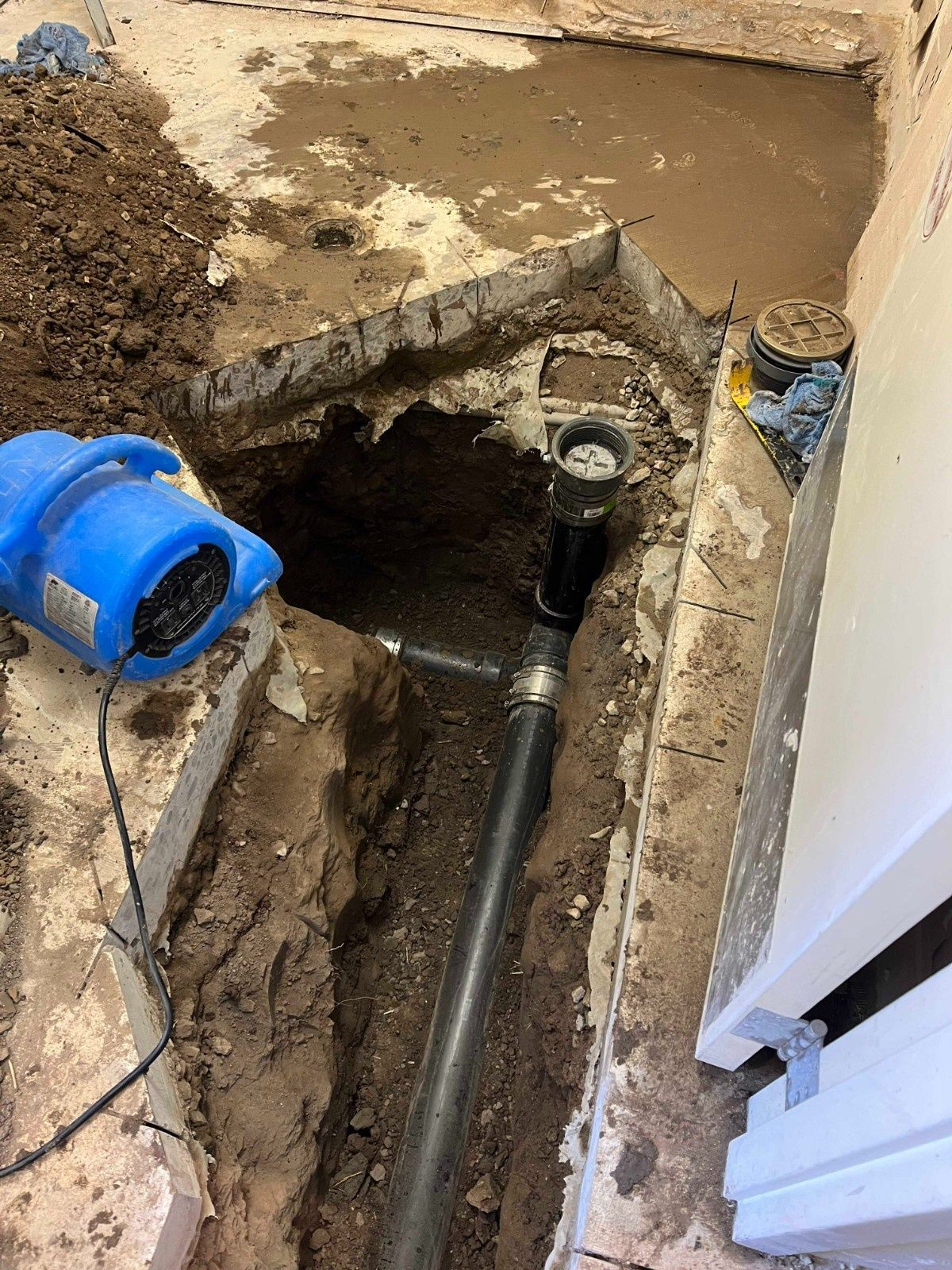
When you need sewer line replacement, the work involves removing the failed section and installing new pipe along the same route or an alternative path that avoids obstacles. CAL Plumbing LLC evaluates your property layout, existing line depth, and access points to determine whether traditional open-trench excavation or trenchless methods best suit your situation. Open-trench replacement requires digging a continuous path from the house to the connection point, exposing the old pipe for removal and laying new pipe in the trench before backfilling.
After replacement, you will notice all drains flow freely without slow drainage or gurgling, no sewage odors around the yard, and no standing water or soft spots above the line. The new pipe resists root intrusion, handles normal waste flow without restriction, and provides decades of reliable service. You should also see restored landscaping over the trench or access pits, clearly marked cleanout locations for future maintenance, and proper slope throughout the line to maintain gravity flow.
Pipe material selection affects longevity and performance. PVC and ABS plastics resist corrosion and root penetration better than older clay or cast iron, with joined sections that create smooth interior surfaces and tight seals. Proper bedding and backfill around the new pipe prevent shifting and settling that could create low spots where waste accumulates. The work does not include interior fixture replacement, landscaping restoration beyond basic grading, or repairs to driveways or hardscaping damaged during excavation unless specifically agreed upon in advance.
Homeowners facing sewer line replacement often ask about methods, timelines, and how to avoid future problems.
What to Know About Sewer Line Replacement
How do I know if I need replacement instead of repair?
If a camera inspection shows multiple breaks, extensive root intrusion along the entire run, or collapsed sections, replacement is the only permanent solution. Single localized cracks or joint separations may qualify for targeted repair.
What is trenchless sewer replacement?
Trenchless methods pull new pipe through the old line or break apart the damaged pipe while simultaneously installing replacement pipe, requiring only small access pits rather than a continuous trench.
How long does sewer line replacement take?
Open-trench replacement typically takes one to three days depending on line length, depth, and soil conditions. Trenchless methods often complete in one day but require compatible site conditions.
Why do tree roots cause so much sewer damage?
Roots grow toward moisture and nutrients, infiltrating tiny cracks or loose joints in sewer pipes. Once inside, they expand and create blockages while widening the openings that let soil and debris enter the line.
Can sewer line problems cause damage inside my home?
Yes, repeated backups can flood basements, damage flooring and walls, and create health hazards from sewage exposure. In Modesto, older neighborhoods with mature trees and clay sewer lines face higher risk of root-related failures that lead to interior damage if not addressed promptly.
CAL Plumbing LLC provides camera inspections and replacement consultations that identify the extent of damage and outline options tailored to your property layout and budget. If you are dealing with recurring backups or visible signs of sewer line failure, contact the team to schedule an evaluation and review replacement strategies.